Libya has been a country of significant importance in recent years, with various trends shaping its political, social, and economic landscape. From the aftermath of the Arab Spring to the ongoing struggle for stability, Libya has been a focal point for global attention. In this blog post, we will explore some of the key trends that have emerged in Libya in recent years.
Category : | Sub Category : Posted on 2025-11-03 22:25:23
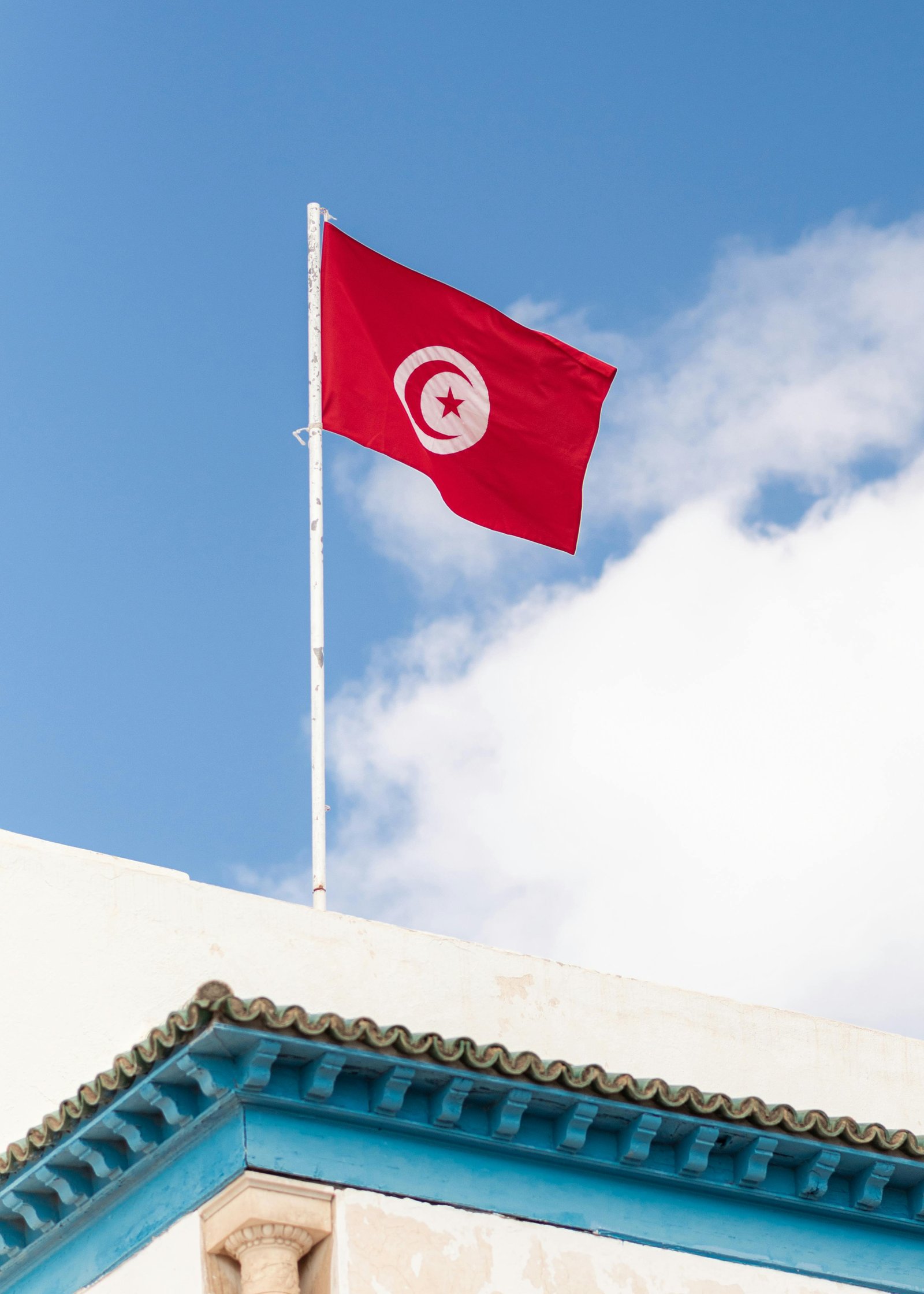
1. Political Transition: Since the overthrow of long-time dictator Muammar Gaddafi in 2011, Libya has been in a state of political transition. Various factions and groups have vied for power, leading to a fractured political landscape. The formation of the Government of National Unity in 2021 was a significant development in the quest for stability and unity in the country. 2. Security Concerns: Security remains a major concern in Libya, with various armed groups and militias operating in different parts of the country. The presence of extremist groups has contributed to the instability and insecurity in the region. Efforts to disarm and integrate these militias into a unified security apparatus have been ongoing but have faced numerous challenges. 3. Economic Challenges: The Libyan economy has been heavily dependent on oil revenues, making it vulnerable to fluctuations in global oil prices. The conflict and instability in the country have further strained the economy, leading to challenges such as high unemployment rates, inflation, and a lack of basic services for the population. Efforts to diversify the economy and attract foreign investment have been hindered by the ongoing instability. 4. Humanitarian Crisis: The protracted conflict in Libya has led to a humanitarian crisis, with thousands of people displaced from their homes and in need of assistance. The country's healthcare system has been severely strained, and access to essential services such as food, water, and shelter remains inadequate for many of its citizens. International organizations have been providing humanitarian aid, but the needs remain vast. 5. International Involvement: The conflict in Libya has drawn in various regional and international actors, exacerbating the complexity of the situation. Countries such as Turkey, Egypt, and the United Arab Emirates have been involved in supporting different factions in the conflict, further complicating efforts to reach a political solution. The role of external actors in Libya's internal affairs continues to be a significant factor in shaping the country's trajectory. In conclusion, Libya continues to face a myriad of challenges as it navigates its post-revolutionary path. The trends outlined above highlight the complexity of the situation and the need for concerted efforts, both regionally and internationally, to support the country in its quest for stability and prosperity. Only through inclusive dialogue, political reconciliation, and sustained humanitarian assistance can Libya hope to overcome its present challenges and build a more peaceful and prosperous future. also visit the following website https://www.tocongo.com For the latest research, visit https://www.toabudhabi.com To get all the details, go through https://www.cruzar.org You can find more about this subject in https://www.abandonar.org For a different take on this issue, see https://www.culturelle.org Have a look at https://www.departements.org to Get more information at https://www.regionales.net Here is the following website to check: https://www.ncciraq.com More in https://www.todamascus.com For a fresh perspective, give the following a read https://www.libyainfo.com
Leave a Comment:
SEARCH
Recent News
- Zurich, Switzerland and Tunisia are two countries that are geographically distant but connected through various global issues and news events. Let's take a look at some of the recent news coming out of these two diverse locations.
- Switzerland is widely known for its breathtaking landscapes, high standard of living, and efficient public transportation system. Zurich, the largest city in Switzerland, perfectly embodies these characteristics and offers visitors a unique blend of culture, history, and natural beauty. In this Tunisian travel guide to Zurich, we will explore some of the must-visit attractions, delicious cuisine to try, and practical tips for making the most of your trip.
- Zurich, Switzerland is a charming city known for its stunning architecture, picturesque landscapes, and vibrant culture. It is a popular destination for tourists from all over the world, offering a mix of historical sites, modern amenities, and breathtaking natural beauty. One of the must-visit places in Zurich is the old town, where you can stroll through narrow cobblestone streets lined with shops, cafes, and historic buildings.
- Zurich, Switzerland is a vibrant city known for its rich cultural scene and diverse music offerings. One unique aspect of Zurich's music scene is the presence of Sudanese music, which has found a home in the city's melting pot of cultures.
- Zurich, Switzerland is a vibrant city known for its picturesque landscapes, rich history, and diverse cultural scene. One fascinating aspect of Zurich's cultural tapestry is the influence of Sudanese culture in the city.
- Zurich, Switzerland is known for its multicultural atmosphere and diverse culinary scene. One of the lesser-known gems of Zurich's food scene is Sudanese cuisine. Sudanese cuisine is a reflection of the country's diverse cultural influences, blending Arabic, African, and Mediterranean flavors to create a unique and delicious culinary experience.
- Zurich, Switzerland, is a vibrant city known for its scenic beauty, rich history, and thriving business environment. One interesting aspect of Zurich's business landscape is the presence of Sudanese entrepreneurs who have made their mark in various industries in the city.
- Rebuilding Syria's Economy After the Dictatorship: Lessons from Zurich, Switzerland
READ MORE
9 months ago Category :

Zurich, Switzerland and Tunisia are two countries that are geographically distant but connected through various global issues and news events. Let's take a look at some of the recent news coming out of these two diverse locations.
Read More →9 months ago Category :

Switzerland is widely known for its breathtaking landscapes, high standard of living, and efficient public transportation system. Zurich, the largest city in Switzerland, perfectly embodies these characteristics and offers visitors a unique blend of culture, history, and natural beauty. In this Tunisian travel guide to Zurich, we will explore some of the must-visit attractions, delicious cuisine to try, and practical tips for making the most of your trip.
Read More →9 months ago Category :

Zurich, Switzerland is a charming city known for its stunning architecture, picturesque landscapes, and vibrant culture. It is a popular destination for tourists from all over the world, offering a mix of historical sites, modern amenities, and breathtaking natural beauty. One of the must-visit places in Zurich is the old town, where you can stroll through narrow cobblestone streets lined with shops, cafes, and historic buildings.
Read More →9 months ago Category :
