Nationalism Movements in Tunisia: A Historical Overview
Category : | Sub Category : Posted on 2025-11-03 22:25:23
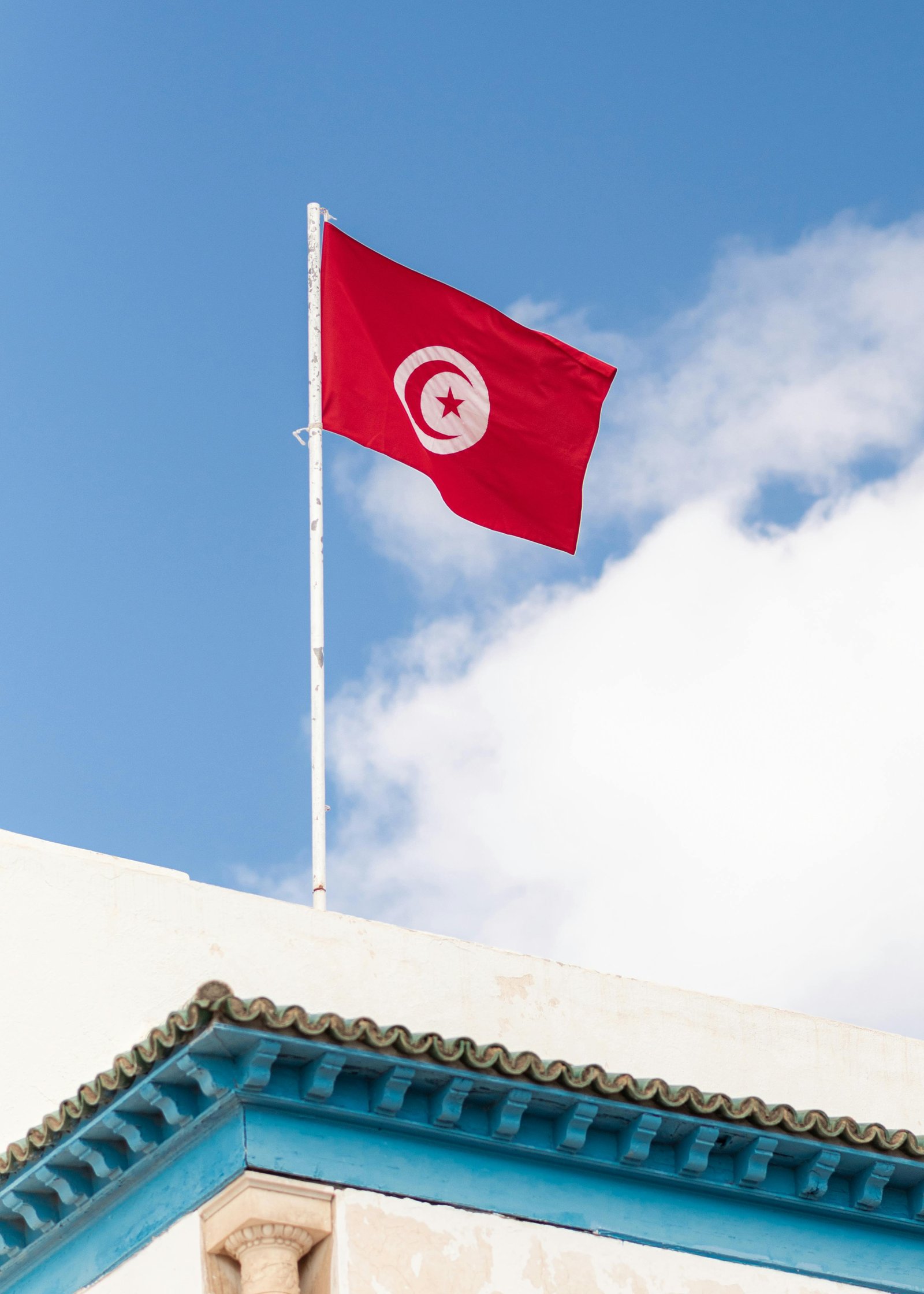
Tunisia, a country in North Africa, has a rich history of nationalism movements that have played a significant role in shaping its political landscape. From resisting colonial rule to advocating for independence and democracy, these movements have been crucial in the struggle for self-determination and national identity in Tunisia. One of the earliest manifestations of nationalism in Tunisia can be traced back to the late 19th and early 20th centuries when the country was under French colonial rule. The rise of Habib Bourguiba and the Neo Destour Party in the 1930s marked a turning point in Tunisia's nationalist movement. Bourguiba, who later became the country's first president, championed the cause of independence and worked towards establishing a sovereign Tunisian state. The struggle for independence culminated in 1956 when Tunisia finally gained its freedom from French colonial rule. This marked a new era for the country, as it embarked on a journey towards nation-building and self-governance. The Neo Destour Party, which later evolved into the Socialist Destourian Party, played a pivotal role in shaping Tunisia's post-independence political landscape. In the decades that followed, Tunisia witnessed various nationalist movements that sought to address socio-economic inequalities, political repression, and human rights abuses. The trade union movement, led by the Tunisian General Labour Union (UGTT), emerged as a powerful force in advocating for workers' rights and social justice. In the 2010s, Tunisia experienced another wave of nationalism with the ousting of longtime President Zine El Abidine Ben Ali during the Arab Spring revolution. This marked a significant moment in Tunisia's history as the country transitioned towards a more democratic and inclusive political system. Today, nationalism in Tunisia continues to evolve as various political parties, civil society groups, and grassroots movements work towards building a more prosperous and equitable society. The legacy of Tunisia's nationalist movements serves as a reminder of the country's enduring struggle for freedom, democracy, and social justice. In conclusion, nationalism movements in Tunisia have played a crucial role in shaping the country's history and political development. From fighting colonial rule to advocating for democracy and social justice, these movements have left a lasting impact on Tunisia's national identity and collective memory. As the country continues to navigate its path towards progress and prosperity, the spirit of nationalism remains a driving force in shaping Tunisia's future. For an extensive perspective, read https://www.abandonar.org Seeking more information? The following has you covered. https://www.culturelle.org Don't miss more information at https://www.departements.org For the latest research, visit https://www.syrien.org For a closer look, don't forget to read https://www.regionales.net To find answers, navigate to https://www.todamascus.com For a broader exploration, take a look at https://www.libyainfo.com
Leave a Comment:
SEARCH
Recent News
- Zurich, Switzerland and Tunisia are two countries that are geographically distant but connected through various global issues and news events. Let's take a look at some of the recent news coming out of these two diverse locations.
- Switzerland is widely known for its breathtaking landscapes, high standard of living, and efficient public transportation system. Zurich, the largest city in Switzerland, perfectly embodies these characteristics and offers visitors a unique blend of culture, history, and natural beauty. In this Tunisian travel guide to Zurich, we will explore some of the must-visit attractions, delicious cuisine to try, and practical tips for making the most of your trip.
- Zurich, Switzerland is a charming city known for its stunning architecture, picturesque landscapes, and vibrant culture. It is a popular destination for tourists from all over the world, offering a mix of historical sites, modern amenities, and breathtaking natural beauty. One of the must-visit places in Zurich is the old town, where you can stroll through narrow cobblestone streets lined with shops, cafes, and historic buildings.
- Zurich, Switzerland is a vibrant city known for its rich cultural scene and diverse music offerings. One unique aspect of Zurich's music scene is the presence of Sudanese music, which has found a home in the city's melting pot of cultures.
- Zurich, Switzerland is a vibrant city known for its picturesque landscapes, rich history, and diverse cultural scene. One fascinating aspect of Zurich's cultural tapestry is the influence of Sudanese culture in the city.
- Zurich, Switzerland is known for its multicultural atmosphere and diverse culinary scene. One of the lesser-known gems of Zurich's food scene is Sudanese cuisine. Sudanese cuisine is a reflection of the country's diverse cultural influences, blending Arabic, African, and Mediterranean flavors to create a unique and delicious culinary experience.
- Zurich, Switzerland, is a vibrant city known for its scenic beauty, rich history, and thriving business environment. One interesting aspect of Zurich's business landscape is the presence of Sudanese entrepreneurs who have made their mark in various industries in the city.
- Rebuilding Syria's Economy After the Dictatorship: Lessons from Zurich, Switzerland
READ MORE
11 months ago Category :

Zurich, Switzerland and Tunisia are two countries that are geographically distant but connected through various global issues and news events. Let's take a look at some of the recent news coming out of these two diverse locations.
Read More →11 months ago Category :

Switzerland is widely known for its breathtaking landscapes, high standard of living, and efficient public transportation system. Zurich, the largest city in Switzerland, perfectly embodies these characteristics and offers visitors a unique blend of culture, history, and natural beauty. In this Tunisian travel guide to Zurich, we will explore some of the must-visit attractions, delicious cuisine to try, and practical tips for making the most of your trip.
Read More →11 months ago Category :

Zurich, Switzerland is a charming city known for its stunning architecture, picturesque landscapes, and vibrant culture. It is a popular destination for tourists from all over the world, offering a mix of historical sites, modern amenities, and breathtaking natural beauty. One of the must-visit places in Zurich is the old town, where you can stroll through narrow cobblestone streets lined with shops, cafes, and historic buildings.
Read More →11 months ago Category :
