Tunisia is renowned for its thriving agriculture industry, with olive oil production being a significant contributor to the country's economy. The North African nation has a long history of cultivating olives and producing high-quality olive oil, which is cherished both domestically and internationally.
Category : Tunisia Agriculture | Sub Category : Olive Oil Production in Tunisia Posted on 2025-02-02 21:24:53
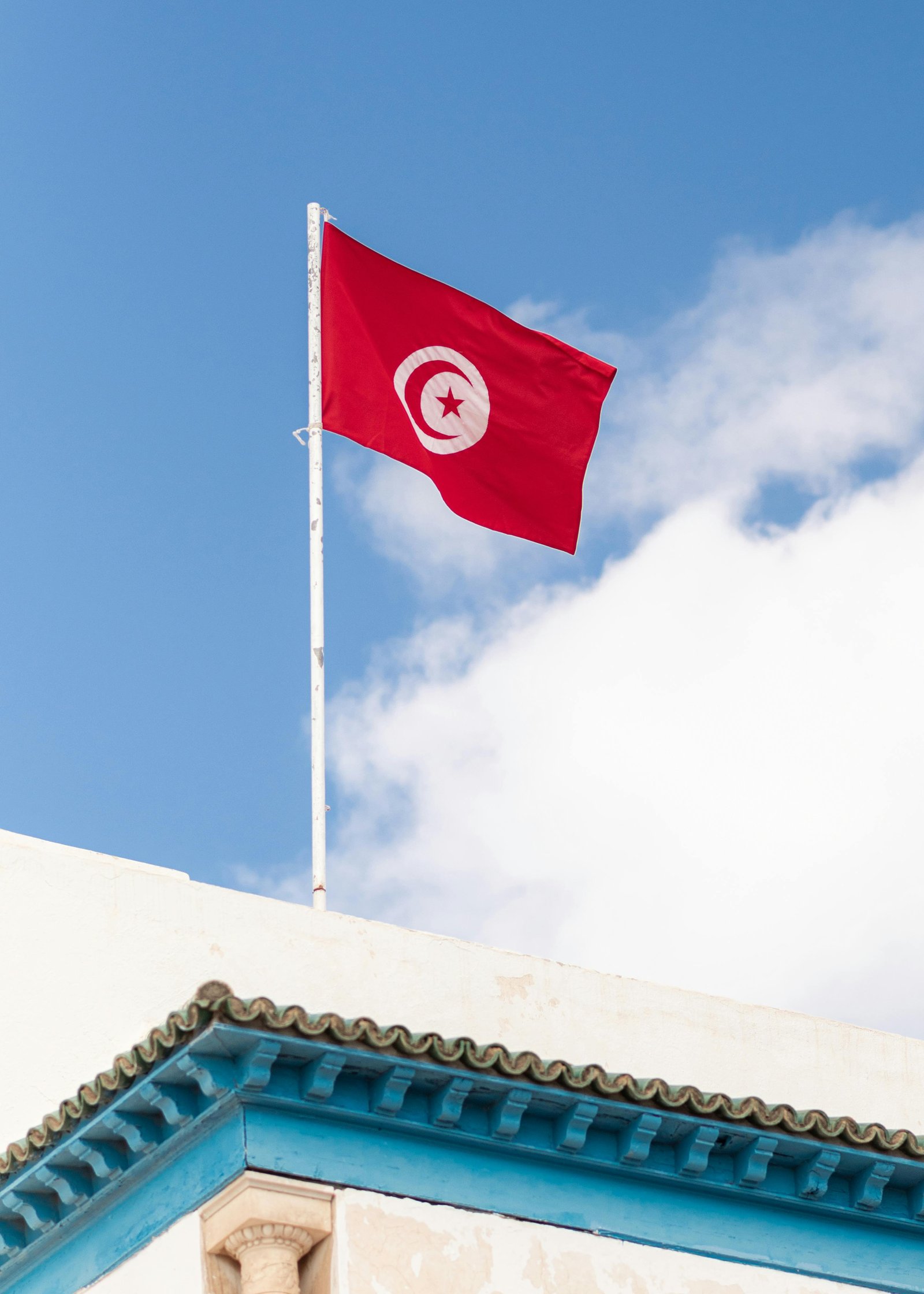
Tunisia is renowned for its thriving agriculture industry, with olive oil production being a significant contributor to the country's economy. The North African nation has a long history of cultivating olives and producing high-quality olive oil, which is cherished both domestically and internationally.
Olive trees thrive in Tunisia's climate, which is characterized by hot, dry summers and mild, rainy winters. The country's diverse landscapes, ranging from coastal plains to mountainous regions, provide ideal conditions for olive cultivation. Tunisia boasts over 80 million olive trees, making it one of the world's leading olive oil producers.
The harvesting of olives typically takes place between October and January, with farmers carefully picking the ripe fruits by hand or using mechanical shakers. The olives are then transported to local olive mills, where they are crushed and pressed to extract the precious olive oil. Tunisia is known for its traditional stone mill presses, which have been used for centuries to produce high-quality olive oil.
Tunisian olive oil is prized for its excellent quality, distinct flavor profiles, and health benefits. The country produces a range of olive oil varieties, including extra virgin, virgin, and olive oil blends. Tunisian olive oil is known for its fruity and spicy notes, with a rich golden color that reflects the region's abundant sunshine.
In recent years, Tunisia has been working to modernize its olive oil production industry to meet growing demand and enhance efficiency. The government has introduced programs to support olive farmers, improve infrastructure, and promote sustainable agricultural practices.
Tunisian olive oil is not only a staple in the country's cuisine but also a key export product. The high-quality olive oil is sought after by consumers around the world, with markets in Europe, the United States, and Asia showing a growing interest in Tunisian olive oil.
Overall, olive oil production plays a vital role in Tunisia's agriculture sector, providing livelihoods for thousands of farmers and driving economic growth. With its rich tradition of olive cultivation and commitment to quality, Tunisia continues to establish itself as a leading player in the global olive oil market.
Tunisia is renowned for its thriving agriculture industry, with olive oil production being a significant contributor to the country's economy. The North African nation has a long history of cultivating olives and producing high-quality olive oil, which is cherished both domestically and internationally.
Category : Tunisia Agriculture | Sub Category : Olive Oil Production in Tunisia Posted on 2025-02-02 21:24:53
Tunisia is renowned for its thriving agriculture industry, with olive oil production being a significant contributor to the country's economy. The North African nation has a long history of cultivating olives and producing high-quality olive oil, which is cherished both domestically and internationally.
Olive trees thrive in Tunisia's climate, which is characterized by hot, dry summers and mild, rainy winters. The country's diverse landscapes, ranging from coastal plains to mountainous regions, provide ideal conditions for olive cultivation. Tunisia boasts over 80 million olive trees, making it one of the world's leading olive oil producers.
The harvesting of olives typically takes place between October and January, with farmers carefully picking the ripe fruits by hand or using mechanical shakers. The olives are then transported to local olive mills, where they are crushed and pressed to extract the precious olive oil. Tunisia is known for its traditional stone mill presses, which have been used for centuries to produce high-quality olive oil.
Tunisian olive oil is prized for its excellent quality, distinct flavor profiles, and health benefits. The country produces a range of olive oil varieties, including extra virgin, virgin, and olive oil blends. Tunisian olive oil is known for its fruity and spicy notes, with a rich golden color that reflects the region's abundant sunshine.
In recent years, Tunisia has been working to modernize its olive oil production industry to meet growing demand and enhance efficiency. The government has introduced programs to support olive farmers, improve infrastructure, and promote sustainable agricultural practices.
Tunisian olive oil is not only a staple in the country's cuisine but also a key export product. The high-quality olive oil is sought after by consumers around the world, with markets in Europe, the United States, and Asia showing a growing interest in Tunisian olive oil.
Overall, olive oil production plays a vital role in Tunisia's agriculture sector, providing livelihoods for thousands of farmers and driving economic growth. With its rich tradition of olive cultivation and commitment to quality, Tunisia continues to establish itself as a leading player in the global olive oil market.
Leave a Comment:
SEARCH
Recent News
- Zurich, Switzerland and Tunisia are two countries that are geographically distant but connected through various global issues and news events. Let's take a look at some of the recent news coming out of these two diverse locations.
- Switzerland is widely known for its breathtaking landscapes, high standard of living, and efficient public transportation system. Zurich, the largest city in Switzerland, perfectly embodies these characteristics and offers visitors a unique blend of culture, history, and natural beauty. In this Tunisian travel guide to Zurich, we will explore some of the must-visit attractions, delicious cuisine to try, and practical tips for making the most of your trip.
- Zurich, Switzerland is a charming city known for its stunning architecture, picturesque landscapes, and vibrant culture. It is a popular destination for tourists from all over the world, offering a mix of historical sites, modern amenities, and breathtaking natural beauty. One of the must-visit places in Zurich is the old town, where you can stroll through narrow cobblestone streets lined with shops, cafes, and historic buildings.
- Zurich, Switzerland is a vibrant city known for its rich cultural scene and diverse music offerings. One unique aspect of Zurich's music scene is the presence of Sudanese music, which has found a home in the city's melting pot of cultures.
- Zurich, Switzerland is a vibrant city known for its picturesque landscapes, rich history, and diverse cultural scene. One fascinating aspect of Zurich's cultural tapestry is the influence of Sudanese culture in the city.
- Zurich, Switzerland is known for its multicultural atmosphere and diverse culinary scene. One of the lesser-known gems of Zurich's food scene is Sudanese cuisine. Sudanese cuisine is a reflection of the country's diverse cultural influences, blending Arabic, African, and Mediterranean flavors to create a unique and delicious culinary experience.
- Zurich, Switzerland, is a vibrant city known for its scenic beauty, rich history, and thriving business environment. One interesting aspect of Zurich's business landscape is the presence of Sudanese entrepreneurs who have made their mark in various industries in the city.
- Rebuilding Syria's Economy After the Dictatorship: Lessons from Zurich, Switzerland
READ MORE
11 months ago Category :

Zurich, Switzerland and Tunisia are two countries that are geographically distant but connected through various global issues and news events. Let's take a look at some of the recent news coming out of these two diverse locations.
Read More →11 months ago Category :

Switzerland is widely known for its breathtaking landscapes, high standard of living, and efficient public transportation system. Zurich, the largest city in Switzerland, perfectly embodies these characteristics and offers visitors a unique blend of culture, history, and natural beauty. In this Tunisian travel guide to Zurich, we will explore some of the must-visit attractions, delicious cuisine to try, and practical tips for making the most of your trip.
Read More →11 months ago Category :

Zurich, Switzerland is a charming city known for its stunning architecture, picturesque landscapes, and vibrant culture. It is a popular destination for tourists from all over the world, offering a mix of historical sites, modern amenities, and breathtaking natural beauty. One of the must-visit places in Zurich is the old town, where you can stroll through narrow cobblestone streets lined with shops, cafes, and historic buildings.
Read More →11 months ago Category :
