Tunisia, a North African country boasting a rich history and diverse cultural heritage, is home to a fascinating array of architectural styles influenced by various civilizations that have left their mark on the region. In this article, we'll delve into the world of Tunisian historical architecture, exploring the unique features and influences that have shaped the country's built environment.
Category : Tunisia Architecture | Sub Category : Tunisian Historical Architecture Posted on 2025-02-02 21:24:53
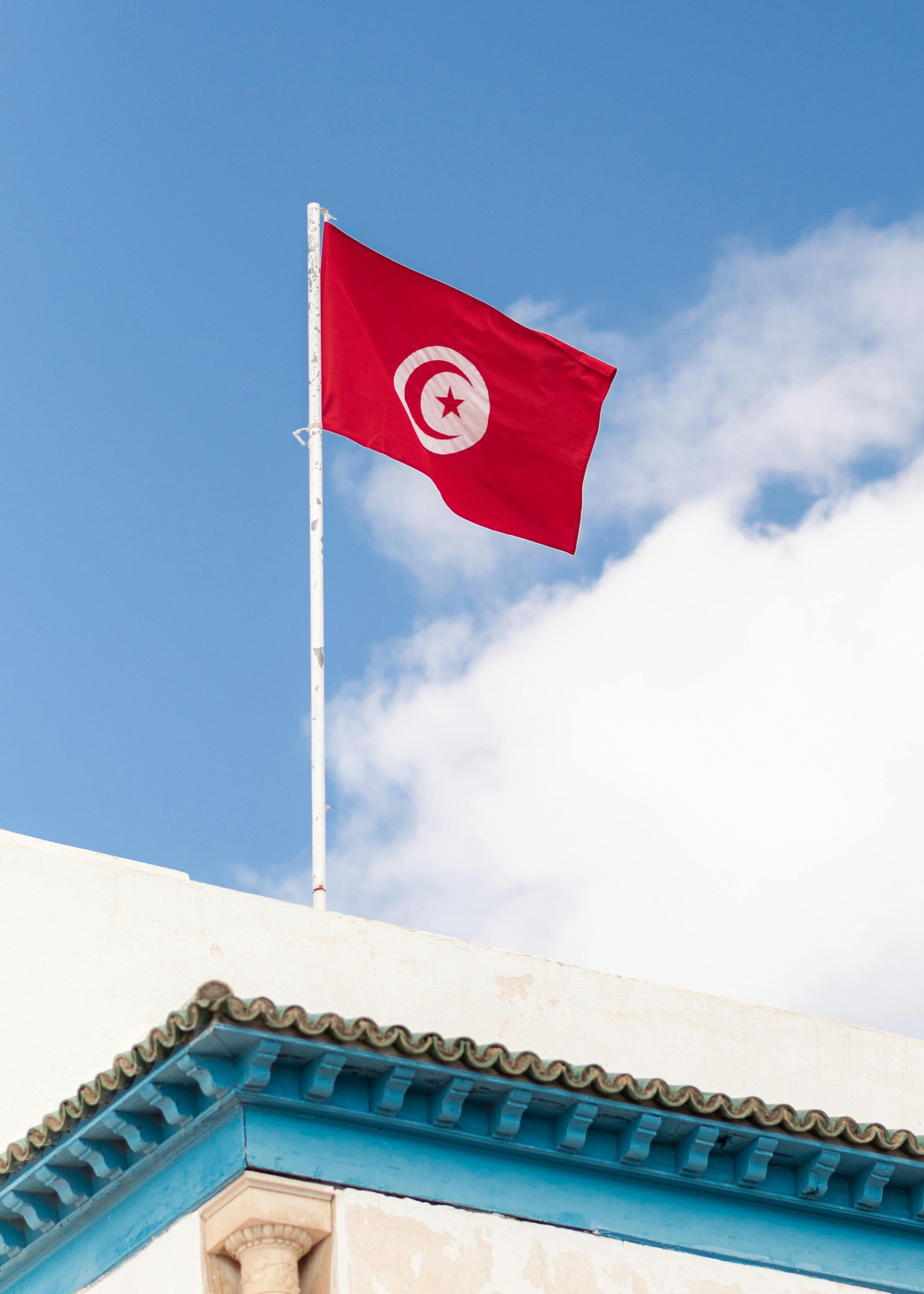
Tunisia, a North African country boasting a rich history and diverse cultural heritage, is home to a fascinating array of architectural styles influenced by various civilizations that have left their mark on the region. In this article, we'll delve into the world of Tunisian historical architecture, exploring the unique features and influences that have shaped the country's built environment.
One of the most iconic architectural styles in Tunisia is the Moorish or Islamic architecture, characterized by intricately-decorated arches, domes, and geometric patterns. This style can be seen in mosques, palaces, and madrasas across the country, with notable examples including the Great Mosque of Kairouan, one of the oldest and most important mosques in North Africa.
In addition to Moorish architecture, Tunisia also boasts stunning examples of Roman and Carthaginian architecture, reflecting the country's ancient history. The impressive ruins of Carthage, once a powerful city-state in ancient times, feature well-preserved structures such as theaters, baths, and temples that provide a glimpse into the architectural prowess of the Carthaginians.
French colonial architecture also plays a significant role in Tunisia's architectural landscape, particularly in cities like Tunis and Sousse. The influence of French design can be seen in the elegant boulevards, grand villas, and public buildings that dot the urban centers, blending seamlessly with traditional Tunisian architecture to create a unique fusion of styles.
One of the most charming aspects of Tunisian historical architecture is the use of traditional materials such as brick, stone, and ceramics, which lend a sense of authenticity and timelessness to the structures. The ornate tilework, colorful mosaics, and intricate wood carvings that adorn many buildings are a testament to the craftsmanship and artistry of Tunisian artisans.
As Tunisia continues to modernize and develop, efforts to preserve and protect its rich architectural heritage have become increasingly important. Organizations and initiatives dedicated to the conservation of historical buildings and sites play a crucial role in safeguarding these valuable treasures for future generations to appreciate and enjoy.
In conclusion, Tunisian historical architecture is a fascinating blend of diverse influences and styles that reflect the country's complex history and cultural identity. From the ancient ruins of Carthage to the ornate mosques of Kairouan, each architectural marvel tells a story of craftsmanship, innovation, and tradition that continues to inspire and captivate visitors from around the world.
Tunisia, a North African country boasting a rich history and diverse cultural heritage, is home to a fascinating array of architectural styles influenced by various civilizations that have left their mark on the region. In this article, we'll delve into the world of Tunisian historical architecture, exploring the unique features and influences that have shaped the country's built environment.
Category : Tunisia Architecture | Sub Category : Tunisian Historical Architecture Posted on 2025-02-02 21:24:53
Tunisia, a North African country boasting a rich history and diverse cultural heritage, is home to a fascinating array of architectural styles influenced by various civilizations that have left their mark on the region. In this article, we'll delve into the world of Tunisian historical architecture, exploring the unique features and influences that have shaped the country's built environment.
One of the most iconic architectural styles in Tunisia is the Moorish or Islamic architecture, characterized by intricately-decorated arches, domes, and geometric patterns. This style can be seen in mosques, palaces, and madrasas across the country, with notable examples including the Great Mosque of Kairouan, one of the oldest and most important mosques in North Africa.
In addition to Moorish architecture, Tunisia also boasts stunning examples of Roman and Carthaginian architecture, reflecting the country's ancient history. The impressive ruins of Carthage, once a powerful city-state in ancient times, feature well-preserved structures such as theaters, baths, and temples that provide a glimpse into the architectural prowess of the Carthaginians.
French colonial architecture also plays a significant role in Tunisia's architectural landscape, particularly in cities like Tunis and Sousse. The influence of French design can be seen in the elegant boulevards, grand villas, and public buildings that dot the urban centers, blending seamlessly with traditional Tunisian architecture to create a unique fusion of styles.
One of the most charming aspects of Tunisian historical architecture is the use of traditional materials such as brick, stone, and ceramics, which lend a sense of authenticity and timelessness to the structures. The ornate tilework, colorful mosaics, and intricate wood carvings that adorn many buildings are a testament to the craftsmanship and artistry of Tunisian artisans.
As Tunisia continues to modernize and develop, efforts to preserve and protect its rich architectural heritage have become increasingly important. Organizations and initiatives dedicated to the conservation of historical buildings and sites play a crucial role in safeguarding these valuable treasures for future generations to appreciate and enjoy.
In conclusion, Tunisian historical architecture is a fascinating blend of diverse influences and styles that reflect the country's complex history and cultural identity. From the ancient ruins of Carthage to the ornate mosques of Kairouan, each architectural marvel tells a story of craftsmanship, innovation, and tradition that continues to inspire and captivate visitors from around the world.
Leave a Comment:
SEARCH
Recent News
- Zurich, Switzerland and Tunisia are two countries that are geographically distant but connected through various global issues and news events. Let's take a look at some of the recent news coming out of these two diverse locations.
- Switzerland is widely known for its breathtaking landscapes, high standard of living, and efficient public transportation system. Zurich, the largest city in Switzerland, perfectly embodies these characteristics and offers visitors a unique blend of culture, history, and natural beauty. In this Tunisian travel guide to Zurich, we will explore some of the must-visit attractions, delicious cuisine to try, and practical tips for making the most of your trip.
- Zurich, Switzerland is a charming city known for its stunning architecture, picturesque landscapes, and vibrant culture. It is a popular destination for tourists from all over the world, offering a mix of historical sites, modern amenities, and breathtaking natural beauty. One of the must-visit places in Zurich is the old town, where you can stroll through narrow cobblestone streets lined with shops, cafes, and historic buildings.
- Zurich, Switzerland is a vibrant city known for its rich cultural scene and diverse music offerings. One unique aspect of Zurich's music scene is the presence of Sudanese music, which has found a home in the city's melting pot of cultures.
- Zurich, Switzerland is a vibrant city known for its picturesque landscapes, rich history, and diverse cultural scene. One fascinating aspect of Zurich's cultural tapestry is the influence of Sudanese culture in the city.
- Zurich, Switzerland is known for its multicultural atmosphere and diverse culinary scene. One of the lesser-known gems of Zurich's food scene is Sudanese cuisine. Sudanese cuisine is a reflection of the country's diverse cultural influences, blending Arabic, African, and Mediterranean flavors to create a unique and delicious culinary experience.
- Zurich, Switzerland, is a vibrant city known for its scenic beauty, rich history, and thriving business environment. One interesting aspect of Zurich's business landscape is the presence of Sudanese entrepreneurs who have made their mark in various industries in the city.
- Rebuilding Syria's Economy After the Dictatorship: Lessons from Zurich, Switzerland
READ MORE
11 months ago Category :

Zurich, Switzerland and Tunisia are two countries that are geographically distant but connected through various global issues and news events. Let's take a look at some of the recent news coming out of these two diverse locations.
Read More →11 months ago Category :

Switzerland is widely known for its breathtaking landscapes, high standard of living, and efficient public transportation system. Zurich, the largest city in Switzerland, perfectly embodies these characteristics and offers visitors a unique blend of culture, history, and natural beauty. In this Tunisian travel guide to Zurich, we will explore some of the must-visit attractions, delicious cuisine to try, and practical tips for making the most of your trip.
Read More →11 months ago Category :

Zurich, Switzerland is a charming city known for its stunning architecture, picturesque landscapes, and vibrant culture. It is a popular destination for tourists from all over the world, offering a mix of historical sites, modern amenities, and breathtaking natural beauty. One of the must-visit places in Zurich is the old town, where you can stroll through narrow cobblestone streets lined with shops, cafes, and historic buildings.
Read More →11 months ago Category :
