A Closer Look at the Tunisian Education System and Recent Reforms
Category : Tunisia Education System | Sub Category : Tunisian Educational Reforms Posted on 2025-02-02 21:24:53
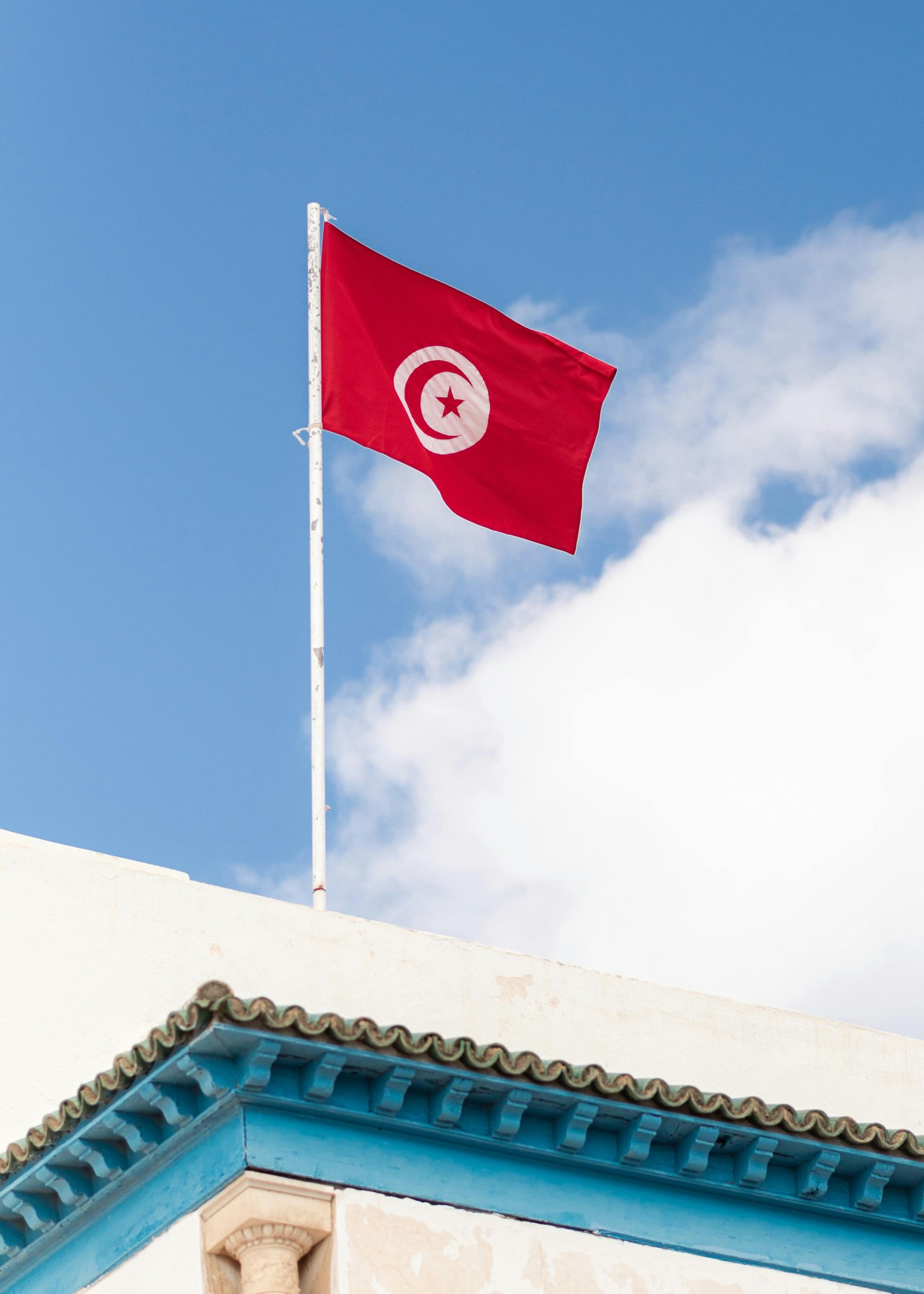
A Closer Look at the Tunisian Education System and Recent Reforms
Introduction:
The education system of Tunisia has seen significant reforms in recent years to address challenges and improve the quality of education. These reforms aim to modernize the system, enhance educational outcomes, and better prepare students for the demands of the 21st century. In this blog post, we will explore the Tunisian education system, the recent reforms implemented, and their impact on the country's educational landscape.
Tunisian Education System Overview:
The Tunisian education system is structured into three main levels: primary education, secondary education, and higher education. Primary education is compulsory and caters to students aged 6 to 12 years. Secondary education is divided into lower secondary (ages 12 to 15) and upper secondary (ages 15 to 18), with students taking national exams at the end of each stage. Higher education includes universities, institutes, and vocational training centers.
Recent Reforms in the Tunisian Education System:
In response to various challenges such as high dropout rates, uneven quality of education, and a lack of alignment with the needs of the job market, Tunisia has implemented several reforms to improve its education system. Some of the key reforms include:
1. Curriculum Enhancement: The curriculum has been revised to emphasize critical thinking, creativity, digital skills, and foreign languages to better prepare students for the modern world.
2. Teacher Training: Professional development programs have been introduced to enhance the skills and competencies of teachers, ensuring they are equipped to deliver quality education.
3. Infrastructure Development: Investment has been made in building and renovating schools, providing a conducive learning environment for students.
Impact of Reforms:
The educational reforms in Tunisia have started to show positive results. The focus on skills development and modernizing the curriculum is equipping students with the necessary knowledge and competencies to succeed in a rapidly changing world. Teacher training programs have improved instructional quality in classrooms, leading to better learning outcomes for students. Additionally, the investment in infrastructure has created a more conducive learning environment, motivating students to engage more actively in their education.
Challenges and Future Directions:
Despite the progress made, challenges still remain in the Tunisian education system, such as addressing disparities between urban and rural areas, reducing dropout rates, and enhancing the quality of vocational education. Moving forward, continued investment in education, collaboration with stakeholders, and a focus on innovation and adaptability will be crucial to further improve the system and ensure that all students have access to quality education.
Conclusion:
The Tunisian education system has undergone significant reforms to enhance its quality and relevance in the 21st century. The focus on curriculum enhancement, teacher training, and infrastructure development is beginning to yield positive results, paving the way for a more effective and inclusive education system in Tunisia. By addressing challenges and building on the progress made, Tunisia is on a path to providing its students with the knowledge and skills they need to succeed in a rapidly evolving global landscape.
A Closer Look at the Tunisian Education System and Recent Reforms
Category : Tunisia Education System | Sub Category : Tunisian Educational Reforms Posted on 2025-02-02 21:24:53
A Closer Look at the Tunisian Education System and Recent Reforms
Introduction:
The education system of Tunisia has seen significant reforms in recent years to address challenges and improve the quality of education. These reforms aim to modernize the system, enhance educational outcomes, and better prepare students for the demands of the 21st century. In this blog post, we will explore the Tunisian education system, the recent reforms implemented, and their impact on the country's educational landscape.
Tunisian Education System Overview:
The Tunisian education system is structured into three main levels: primary education, secondary education, and higher education. Primary education is compulsory and caters to students aged 6 to 12 years. Secondary education is divided into lower secondary (ages 12 to 15) and upper secondary (ages 15 to 18), with students taking national exams at the end of each stage. Higher education includes universities, institutes, and vocational training centers.
Recent Reforms in the Tunisian Education System:
In response to various challenges such as high dropout rates, uneven quality of education, and a lack of alignment with the needs of the job market, Tunisia has implemented several reforms to improve its education system. Some of the key reforms include:
1. Curriculum Enhancement: The curriculum has been revised to emphasize critical thinking, creativity, digital skills, and foreign languages to better prepare students for the modern world.
2. Teacher Training: Professional development programs have been introduced to enhance the skills and competencies of teachers, ensuring they are equipped to deliver quality education.
3. Infrastructure Development: Investment has been made in building and renovating schools, providing a conducive learning environment for students.
Impact of Reforms:
The educational reforms in Tunisia have started to show positive results. The focus on skills development and modernizing the curriculum is equipping students with the necessary knowledge and competencies to succeed in a rapidly changing world. Teacher training programs have improved instructional quality in classrooms, leading to better learning outcomes for students. Additionally, the investment in infrastructure has created a more conducive learning environment, motivating students to engage more actively in their education.
Challenges and Future Directions:
Despite the progress made, challenges still remain in the Tunisian education system, such as addressing disparities between urban and rural areas, reducing dropout rates, and enhancing the quality of vocational education. Moving forward, continued investment in education, collaboration with stakeholders, and a focus on innovation and adaptability will be crucial to further improve the system and ensure that all students have access to quality education.
Conclusion:
The Tunisian education system has undergone significant reforms to enhance its quality and relevance in the 21st century. The focus on curriculum enhancement, teacher training, and infrastructure development is beginning to yield positive results, paving the way for a more effective and inclusive education system in Tunisia. By addressing challenges and building on the progress made, Tunisia is on a path to providing its students with the knowledge and skills they need to succeed in a rapidly evolving global landscape.
Leave a Comment:
SEARCH
Recent News
- Zurich, Switzerland and Tunisia are two countries that are geographically distant but connected through various global issues and news events. Let's take a look at some of the recent news coming out of these two diverse locations.
- Switzerland is widely known for its breathtaking landscapes, high standard of living, and efficient public transportation system. Zurich, the largest city in Switzerland, perfectly embodies these characteristics and offers visitors a unique blend of culture, history, and natural beauty. In this Tunisian travel guide to Zurich, we will explore some of the must-visit attractions, delicious cuisine to try, and practical tips for making the most of your trip.
- Zurich, Switzerland is a charming city known for its stunning architecture, picturesque landscapes, and vibrant culture. It is a popular destination for tourists from all over the world, offering a mix of historical sites, modern amenities, and breathtaking natural beauty. One of the must-visit places in Zurich is the old town, where you can stroll through narrow cobblestone streets lined with shops, cafes, and historic buildings.
- Zurich, Switzerland is a vibrant city known for its rich cultural scene and diverse music offerings. One unique aspect of Zurich's music scene is the presence of Sudanese music, which has found a home in the city's melting pot of cultures.
- Zurich, Switzerland is a vibrant city known for its picturesque landscapes, rich history, and diverse cultural scene. One fascinating aspect of Zurich's cultural tapestry is the influence of Sudanese culture in the city.
- Zurich, Switzerland is known for its multicultural atmosphere and diverse culinary scene. One of the lesser-known gems of Zurich's food scene is Sudanese cuisine. Sudanese cuisine is a reflection of the country's diverse cultural influences, blending Arabic, African, and Mediterranean flavors to create a unique and delicious culinary experience.
- Zurich, Switzerland, is a vibrant city known for its scenic beauty, rich history, and thriving business environment. One interesting aspect of Zurich's business landscape is the presence of Sudanese entrepreneurs who have made their mark in various industries in the city.
- Rebuilding Syria's Economy After the Dictatorship: Lessons from Zurich, Switzerland
READ MORE
11 months ago Category :

Zurich, Switzerland and Tunisia are two countries that are geographically distant but connected through various global issues and news events. Let's take a look at some of the recent news coming out of these two diverse locations.
Read More →11 months ago Category :

Switzerland is widely known for its breathtaking landscapes, high standard of living, and efficient public transportation system. Zurich, the largest city in Switzerland, perfectly embodies these characteristics and offers visitors a unique blend of culture, history, and natural beauty. In this Tunisian travel guide to Zurich, we will explore some of the must-visit attractions, delicious cuisine to try, and practical tips for making the most of your trip.
Read More →11 months ago Category :

Zurich, Switzerland is a charming city known for its stunning architecture, picturesque landscapes, and vibrant culture. It is a popular destination for tourists from all over the world, offering a mix of historical sites, modern amenities, and breathtaking natural beauty. One of the must-visit places in Zurich is the old town, where you can stroll through narrow cobblestone streets lined with shops, cafes, and historic buildings.
Read More →11 months ago Category :
