Tunisia International Relations: Navigating Global Partnerships
Category : Tunisia International Relations | Sub Category : Tunisia Global Partnerships Posted on 2025-02-02 21:24:53
Tunisia International Relations: Navigating Global Partnerships
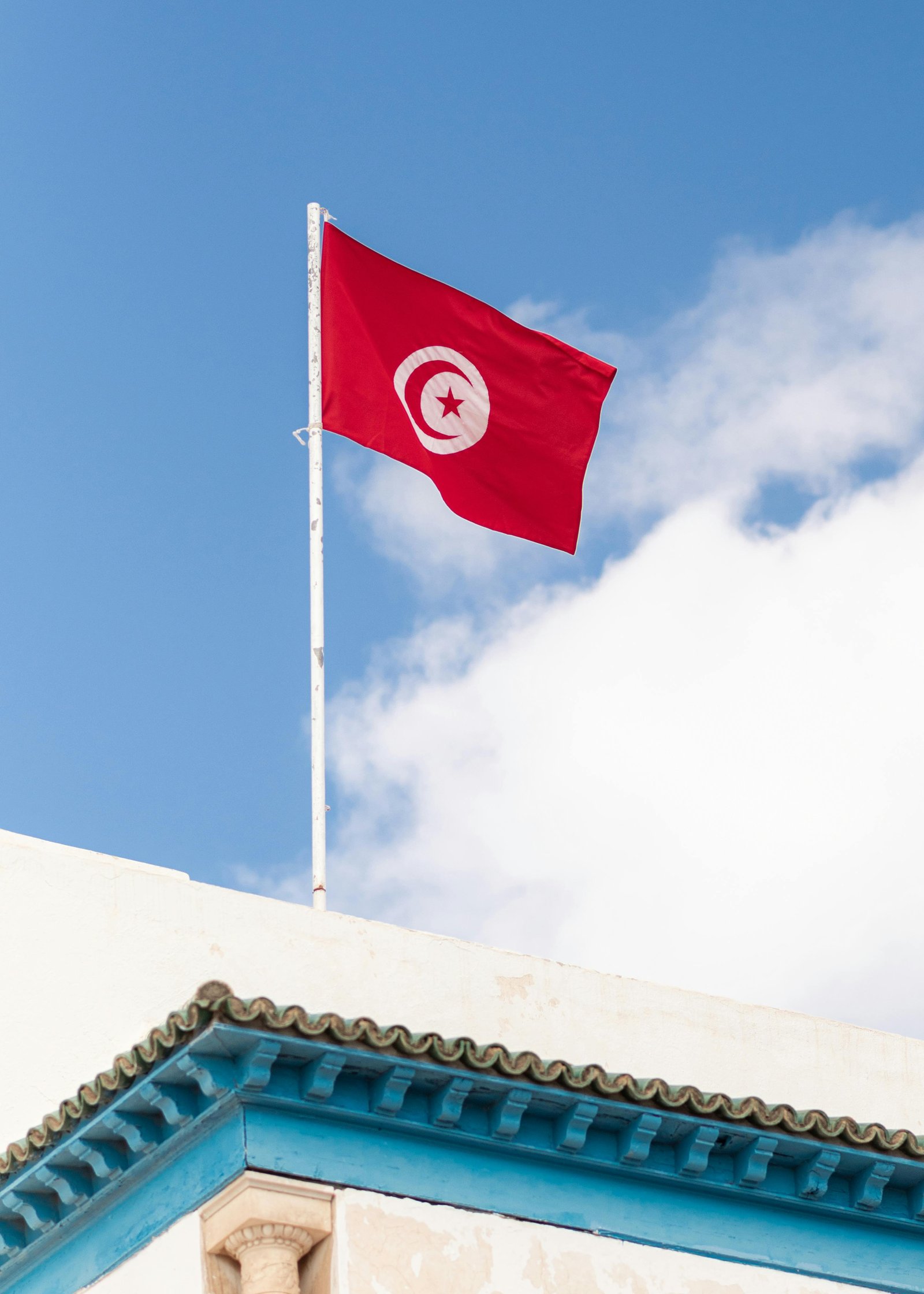
Tunisia, a North African country rich in culture and history, has been actively engaging with the international community to develop strong global partnerships. These partnerships play a crucial role in shaping Tunisia's development, promoting economic growth, and enhancing its diplomatic relations on the global stage.
One of Tunisia's key global partnerships is with the European Union (EU). The EU is Tunisia's largest trading partner and an important source of foreign investment and development assistance. Through its partnership with the EU, Tunisia has access to trade agreements that facilitate the flow of goods and services between the two regions. This partnership has helped Tunisia enhance its economic competitiveness and bolster its integration into the global economy.
Additionally, Tunisia has strong diplomatic ties with the United States, a relationship built on shared values and strategic interests. The U.S. has supported Tunisia's democratic transition and economic reforms, providing aid and assistance to promote stability and security in the region. By collaborating with the U.S., Tunisia has strengthened its position as a key player in the fight against terrorism and extremism in North Africa.
Furthermore, Tunisia is an active member of the Arab League, a regional organization that promotes cooperation and coordination among Arab countries. Through its membership in the Arab League, Tunisia has forged partnerships with other member states on issues of mutual interest, such as political stability, economic development, and cultural exchange. This collaboration has helped Tunisia amplify its voice in the Arab world and foster closer ties with its Arab neighbors.
In recent years, Tunisia has also expanded its global partnerships with countries in Africa and the Middle East. By participating in regional forums and summits, Tunisia has sought to deepen its engagement with its African and Middle Eastern counterparts to address shared challenges and pursue common goals. These partnerships have opened up new opportunities for economic cooperation, cultural exchange, and diplomatic collaboration, strengthening Tunisia's presence in the broader international arena.
As Tunisia continues to navigate its global partnerships, it is essential for the country to remain committed to upholding its values of democracy, human rights, and sustainable development. By leveraging its relationships with key international partners, Tunisia can position itself as a dynamic player in the global arena, contributing to regional stability and prosperity while advancing its own national interests.
In conclusion, Tunisia's international relations and global partnerships are essential components of its foreign policy strategy. By fostering strong ties with the EU, the U.S., the Arab League, and other regional partners, Tunisia can advance its economic growth, enhance its diplomatic influence, and promote peace and stability in the region. Through strategic collaboration and mutual cooperation, Tunisia can continue to thrive as a key player on the world stage.
Tunisia International Relations: Navigating Global Partnerships
Category : Tunisia International Relations | Sub Category : Tunisia Global Partnerships Posted on 2025-02-02 21:24:53
Tunisia International Relations: Navigating Global Partnerships
Tunisia, a North African country rich in culture and history, has been actively engaging with the international community to develop strong global partnerships. These partnerships play a crucial role in shaping Tunisia's development, promoting economic growth, and enhancing its diplomatic relations on the global stage.
One of Tunisia's key global partnerships is with the European Union (EU). The EU is Tunisia's largest trading partner and an important source of foreign investment and development assistance. Through its partnership with the EU, Tunisia has access to trade agreements that facilitate the flow of goods and services between the two regions. This partnership has helped Tunisia enhance its economic competitiveness and bolster its integration into the global economy.
Additionally, Tunisia has strong diplomatic ties with the United States, a relationship built on shared values and strategic interests. The U.S. has supported Tunisia's democratic transition and economic reforms, providing aid and assistance to promote stability and security in the region. By collaborating with the U.S., Tunisia has strengthened its position as a key player in the fight against terrorism and extremism in North Africa.
Furthermore, Tunisia is an active member of the Arab League, a regional organization that promotes cooperation and coordination among Arab countries. Through its membership in the Arab League, Tunisia has forged partnerships with other member states on issues of mutual interest, such as political stability, economic development, and cultural exchange. This collaboration has helped Tunisia amplify its voice in the Arab world and foster closer ties with its Arab neighbors.
In recent years, Tunisia has also expanded its global partnerships with countries in Africa and the Middle East. By participating in regional forums and summits, Tunisia has sought to deepen its engagement with its African and Middle Eastern counterparts to address shared challenges and pursue common goals. These partnerships have opened up new opportunities for economic cooperation, cultural exchange, and diplomatic collaboration, strengthening Tunisia's presence in the broader international arena.
As Tunisia continues to navigate its global partnerships, it is essential for the country to remain committed to upholding its values of democracy, human rights, and sustainable development. By leveraging its relationships with key international partners, Tunisia can position itself as a dynamic player in the global arena, contributing to regional stability and prosperity while advancing its own national interests.
In conclusion, Tunisia's international relations and global partnerships are essential components of its foreign policy strategy. By fostering strong ties with the EU, the U.S., the Arab League, and other regional partners, Tunisia can advance its economic growth, enhance its diplomatic influence, and promote peace and stability in the region. Through strategic collaboration and mutual cooperation, Tunisia can continue to thrive as a key player on the world stage.
Leave a Comment:
SEARCH
Recent News
- Zurich, Switzerland and Tunisia are two countries that are geographically distant but connected through various global issues and news events. Let's take a look at some of the recent news coming out of these two diverse locations.
- Switzerland is widely known for its breathtaking landscapes, high standard of living, and efficient public transportation system. Zurich, the largest city in Switzerland, perfectly embodies these characteristics and offers visitors a unique blend of culture, history, and natural beauty. In this Tunisian travel guide to Zurich, we will explore some of the must-visit attractions, delicious cuisine to try, and practical tips for making the most of your trip.
- Zurich, Switzerland is a charming city known for its stunning architecture, picturesque landscapes, and vibrant culture. It is a popular destination for tourists from all over the world, offering a mix of historical sites, modern amenities, and breathtaking natural beauty. One of the must-visit places in Zurich is the old town, where you can stroll through narrow cobblestone streets lined with shops, cafes, and historic buildings.
- Zurich, Switzerland is a vibrant city known for its rich cultural scene and diverse music offerings. One unique aspect of Zurich's music scene is the presence of Sudanese music, which has found a home in the city's melting pot of cultures.
- Zurich, Switzerland is a vibrant city known for its picturesque landscapes, rich history, and diverse cultural scene. One fascinating aspect of Zurich's cultural tapestry is the influence of Sudanese culture in the city.
- Zurich, Switzerland is known for its multicultural atmosphere and diverse culinary scene. One of the lesser-known gems of Zurich's food scene is Sudanese cuisine. Sudanese cuisine is a reflection of the country's diverse cultural influences, blending Arabic, African, and Mediterranean flavors to create a unique and delicious culinary experience.
- Zurich, Switzerland, is a vibrant city known for its scenic beauty, rich history, and thriving business environment. One interesting aspect of Zurich's business landscape is the presence of Sudanese entrepreneurs who have made their mark in various industries in the city.
- Rebuilding Syria's Economy After the Dictatorship: Lessons from Zurich, Switzerland
READ MORE
11 months ago Category :

Zurich, Switzerland and Tunisia are two countries that are geographically distant but connected through various global issues and news events. Let's take a look at some of the recent news coming out of these two diverse locations.
Read More →11 months ago Category :

Switzerland is widely known for its breathtaking landscapes, high standard of living, and efficient public transportation system. Zurich, the largest city in Switzerland, perfectly embodies these characteristics and offers visitors a unique blend of culture, history, and natural beauty. In this Tunisian travel guide to Zurich, we will explore some of the must-visit attractions, delicious cuisine to try, and practical tips for making the most of your trip.
Read More →11 months ago Category :

Zurich, Switzerland is a charming city known for its stunning architecture, picturesque landscapes, and vibrant culture. It is a popular destination for tourists from all over the world, offering a mix of historical sites, modern amenities, and breathtaking natural beauty. One of the must-visit places in Zurich is the old town, where you can stroll through narrow cobblestone streets lined with shops, cafes, and historic buildings.
Read More →11 months ago Category :
