Tunisia, a North African country known for its rich cultural heritage, has a long history of traditional art and music forms that reflect its unique blend of influences from Arab, Berber, and European cultures. In this blog post, we will explore some of the traditional Tunisian art forms that have played a significant role in shaping the country's cultural identity.
Category : Tunisian Art and Music | Sub Category : Traditional Tunisian Art Forms Posted on 2025-02-02 21:24:53
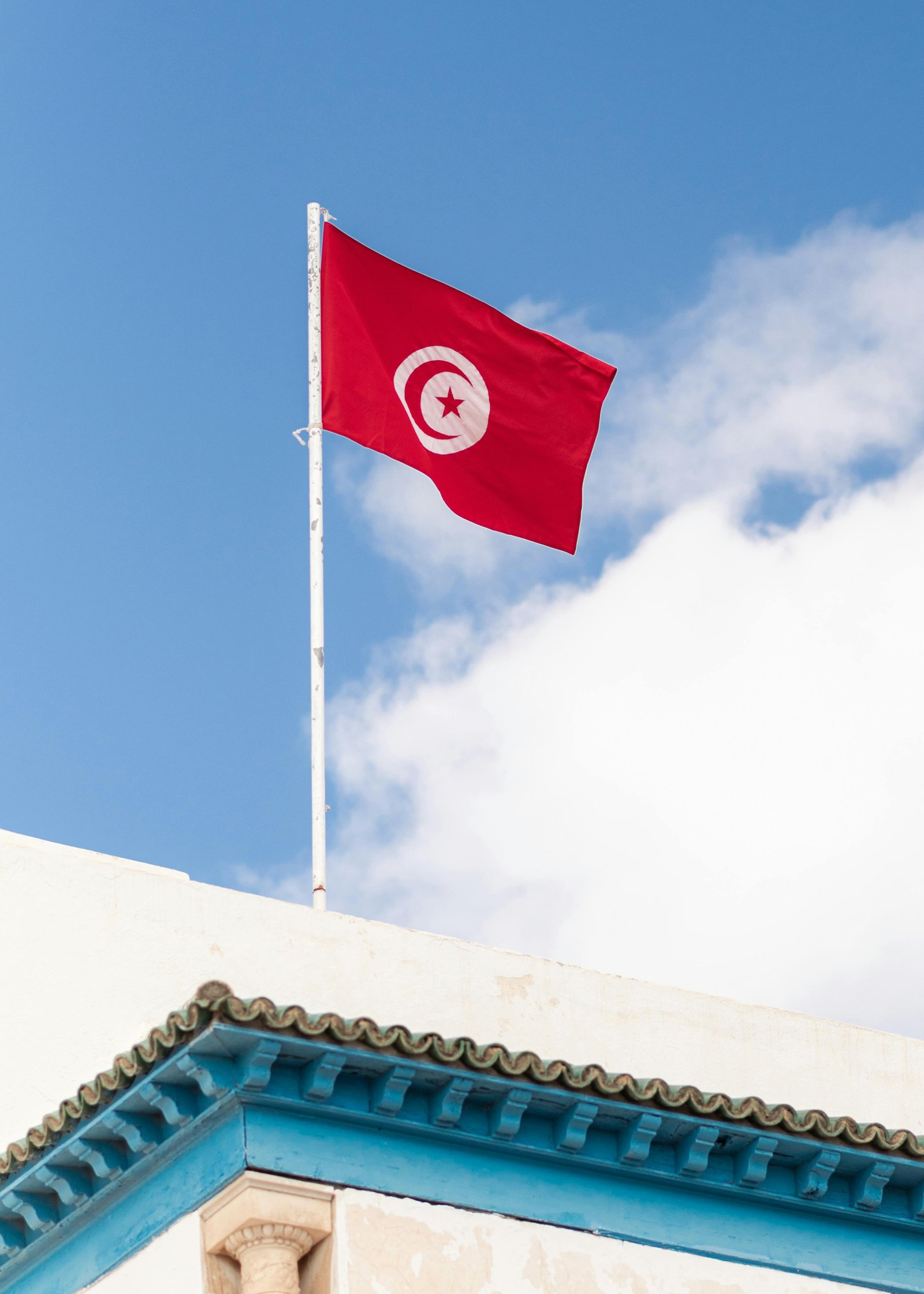
Tunisia, a North African country known for its rich cultural heritage, has a long history of traditional art and music forms that reflect its unique blend of influences from Arab, Berber, and European cultures. In this blog post, we will explore some of the traditional Tunisian art forms that have played a significant role in shaping the country's cultural identity.
One of the most famous traditional art forms in Tunisia is pottery, which has been practiced for centuries. Tunisian pottery is known for its vibrant colors and intricate designs, often featuring geometric patterns and symbols inspired by Islamic art. The pottery is typically handmade using traditional techniques passed down through generations, and it is used for both decorative and functional purposes.
Another traditional Tunisian art form is carpet weaving, which has a long history in the country. Tunisian carpets are renowned for their quality and craftsmanship, with each piece telling a unique story through its patterns and colors. The art of carpet weaving is often passed down within families, with women playing a central role in the production process.
Tunisian embroidery is another traditional art form that has been practiced for centuries. Intricate and colorful embroidery designs adorn traditional clothing, linens, and home decor items, adding a touch of beauty and elegance to everyday life. Tunisian embroidery often features floral motifs and geometric patterns, with each region of the country having its own unique style.
In addition to visual arts, music plays a vital role in Tunisian culture, with traditional music forms reflecting the country's diverse influences. One of the most popular forms of traditional Tunisian music is Malouf, which blends Arab, Andalusian, and Ottoman musical traditions. Malouf music is characterized by its use of traditional instruments such as the oud, qanun, and violin, as well as poetic lyrics that often convey themes of love, longing, and nostalgia.
Overall, traditional Tunisian art forms such as pottery, carpet weaving, embroidery, and music play a crucial role in preserving the country's cultural heritage and identity. Through these art forms, Tunisians are able to celebrate their rich history and express their creativity and talent for future generations to appreciate.
Tunisia, a North African country known for its rich cultural heritage, has a long history of traditional art and music forms that reflect its unique blend of influences from Arab, Berber, and European cultures. In this blog post, we will explore some of the traditional Tunisian art forms that have played a significant role in shaping the country's cultural identity.
Category : Tunisian Art and Music | Sub Category : Traditional Tunisian Art Forms Posted on 2025-02-02 21:24:53
Tunisia, a North African country known for its rich cultural heritage, has a long history of traditional art and music forms that reflect its unique blend of influences from Arab, Berber, and European cultures. In this blog post, we will explore some of the traditional Tunisian art forms that have played a significant role in shaping the country's cultural identity.
One of the most famous traditional art forms in Tunisia is pottery, which has been practiced for centuries. Tunisian pottery is known for its vibrant colors and intricate designs, often featuring geometric patterns and symbols inspired by Islamic art. The pottery is typically handmade using traditional techniques passed down through generations, and it is used for both decorative and functional purposes.
Another traditional Tunisian art form is carpet weaving, which has a long history in the country. Tunisian carpets are renowned for their quality and craftsmanship, with each piece telling a unique story through its patterns and colors. The art of carpet weaving is often passed down within families, with women playing a central role in the production process.
Tunisian embroidery is another traditional art form that has been practiced for centuries. Intricate and colorful embroidery designs adorn traditional clothing, linens, and home decor items, adding a touch of beauty and elegance to everyday life. Tunisian embroidery often features floral motifs and geometric patterns, with each region of the country having its own unique style.
In addition to visual arts, music plays a vital role in Tunisian culture, with traditional music forms reflecting the country's diverse influences. One of the most popular forms of traditional Tunisian music is Malouf, which blends Arab, Andalusian, and Ottoman musical traditions. Malouf music is characterized by its use of traditional instruments such as the oud, qanun, and violin, as well as poetic lyrics that often convey themes of love, longing, and nostalgia.
Overall, traditional Tunisian art forms such as pottery, carpet weaving, embroidery, and music play a crucial role in preserving the country's cultural heritage and identity. Through these art forms, Tunisians are able to celebrate their rich history and express their creativity and talent for future generations to appreciate.
Leave a Comment:
SEARCH
Recent News
- Zurich, Switzerland and Tunisia are two countries that are geographically distant but connected through various global issues and news events. Let's take a look at some of the recent news coming out of these two diverse locations.
- Switzerland is widely known for its breathtaking landscapes, high standard of living, and efficient public transportation system. Zurich, the largest city in Switzerland, perfectly embodies these characteristics and offers visitors a unique blend of culture, history, and natural beauty. In this Tunisian travel guide to Zurich, we will explore some of the must-visit attractions, delicious cuisine to try, and practical tips for making the most of your trip.
- Zurich, Switzerland is a charming city known for its stunning architecture, picturesque landscapes, and vibrant culture. It is a popular destination for tourists from all over the world, offering a mix of historical sites, modern amenities, and breathtaking natural beauty. One of the must-visit places in Zurich is the old town, where you can stroll through narrow cobblestone streets lined with shops, cafes, and historic buildings.
- Zurich, Switzerland is a vibrant city known for its rich cultural scene and diverse music offerings. One unique aspect of Zurich's music scene is the presence of Sudanese music, which has found a home in the city's melting pot of cultures.
- Zurich, Switzerland is a vibrant city known for its picturesque landscapes, rich history, and diverse cultural scene. One fascinating aspect of Zurich's cultural tapestry is the influence of Sudanese culture in the city.
- Zurich, Switzerland is known for its multicultural atmosphere and diverse culinary scene. One of the lesser-known gems of Zurich's food scene is Sudanese cuisine. Sudanese cuisine is a reflection of the country's diverse cultural influences, blending Arabic, African, and Mediterranean flavors to create a unique and delicious culinary experience.
- Zurich, Switzerland, is a vibrant city known for its scenic beauty, rich history, and thriving business environment. One interesting aspect of Zurich's business landscape is the presence of Sudanese entrepreneurs who have made their mark in various industries in the city.
- Rebuilding Syria's Economy After the Dictatorship: Lessons from Zurich, Switzerland
READ MORE
11 months ago Category :

Zurich, Switzerland and Tunisia are two countries that are geographically distant but connected through various global issues and news events. Let's take a look at some of the recent news coming out of these two diverse locations.
Read More →11 months ago Category :

Switzerland is widely known for its breathtaking landscapes, high standard of living, and efficient public transportation system. Zurich, the largest city in Switzerland, perfectly embodies these characteristics and offers visitors a unique blend of culture, history, and natural beauty. In this Tunisian travel guide to Zurich, we will explore some of the must-visit attractions, delicious cuisine to try, and practical tips for making the most of your trip.
Read More →11 months ago Category :

Zurich, Switzerland is a charming city known for its stunning architecture, picturesque landscapes, and vibrant culture. It is a popular destination for tourists from all over the world, offering a mix of historical sites, modern amenities, and breathtaking natural beauty. One of the must-visit places in Zurich is the old town, where you can stroll through narrow cobblestone streets lined with shops, cafes, and historic buildings.
Read More →11 months ago Category :
