Tunisia, a North African country known for its rich history and diverse culture, has a vibrant art scene that reflects its unique heritage and modern influences. Tunisian contemporary art is a dynamic blend of traditional techniques and innovative ideas, offering a fresh perspective on the country's cultural identity.
Category : Tunisian Art and Music | Sub Category : Tunisian Contemporary Art Posted on 2025-02-02 21:24:53
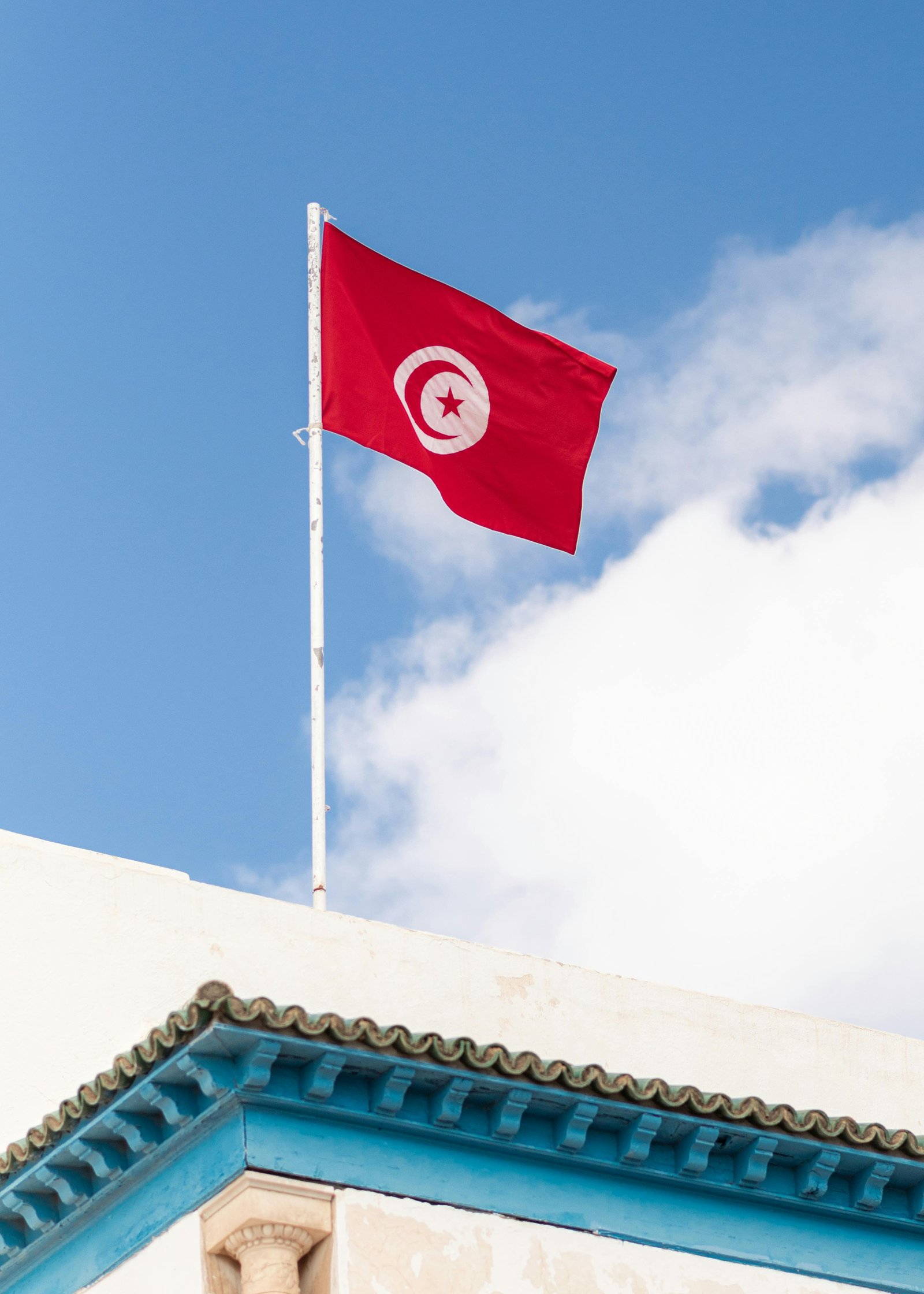
Tunisia, a North African country known for its rich history and diverse culture, has a vibrant art scene that reflects its unique heritage and modern influences. Tunisian contemporary art is a dynamic blend of traditional techniques and innovative ideas, offering a fresh perspective on the country's cultural identity.
One of the key features of Tunisian contemporary art is its ability to combine traditional Arabic and African artistic styles with modern Western influences. Artists in Tunisia draw inspiration from the country's history, landscapes, and people, creating art that reflects the complexities of Tunisian society.
In recent years, Tunisian contemporary art has gained international recognition for its distinct style and thought-provoking themes. Artists like Nja Mahdaoui, whose calligraphy-based works have been exhibited worldwide, showcase the fusion of traditional Arabic script with modern abstract techniques.
Another prominent figure in Tunisian contemporary art is Mouna Jemal Siala, known for her striking paintings that explore themes of identity, spirituality, and womanhood. Her bold use of color and symbolism serves as a powerful commentary on the social and political issues facing Tunisia today.
Tunisian contemporary art is not limited to visual mediums; the country also boasts a vibrant music scene that complements its artistic landscape. Traditional Tunisian music, such as the haunting melodies of the oud and the rhythmic beats of the darbuka, blend seamlessly with modern genres like hip-hop and electronic music, creating a dynamic soundscape that reflects the country's diverse cultural influences.
Tunisian artists and musicians continue to push boundaries and challenge conventions, using their creativity to spark meaningful conversations and inspire change. As Tunisia's art and music scene continues to evolve, it serves as a powerful reminder of the country's rich cultural heritage and its potential for shaping a brighter future.
Tunisia, a North African country known for its rich history and diverse culture, has a vibrant art scene that reflects its unique heritage and modern influences. Tunisian contemporary art is a dynamic blend of traditional techniques and innovative ideas, offering a fresh perspective on the country's cultural identity.
Category : Tunisian Art and Music | Sub Category : Tunisian Contemporary Art Posted on 2025-02-02 21:24:53
Tunisia, a North African country known for its rich history and diverse culture, has a vibrant art scene that reflects its unique heritage and modern influences. Tunisian contemporary art is a dynamic blend of traditional techniques and innovative ideas, offering a fresh perspective on the country's cultural identity.
One of the key features of Tunisian contemporary art is its ability to combine traditional Arabic and African artistic styles with modern Western influences. Artists in Tunisia draw inspiration from the country's history, landscapes, and people, creating art that reflects the complexities of Tunisian society.
In recent years, Tunisian contemporary art has gained international recognition for its distinct style and thought-provoking themes. Artists like Nja Mahdaoui, whose calligraphy-based works have been exhibited worldwide, showcase the fusion of traditional Arabic script with modern abstract techniques.
Another prominent figure in Tunisian contemporary art is Mouna Jemal Siala, known for her striking paintings that explore themes of identity, spirituality, and womanhood. Her bold use of color and symbolism serves as a powerful commentary on the social and political issues facing Tunisia today.
Tunisian contemporary art is not limited to visual mediums; the country also boasts a vibrant music scene that complements its artistic landscape. Traditional Tunisian music, such as the haunting melodies of the oud and the rhythmic beats of the darbuka, blend seamlessly with modern genres like hip-hop and electronic music, creating a dynamic soundscape that reflects the country's diverse cultural influences.
Tunisian artists and musicians continue to push boundaries and challenge conventions, using their creativity to spark meaningful conversations and inspire change. As Tunisia's art and music scene continues to evolve, it serves as a powerful reminder of the country's rich cultural heritage and its potential for shaping a brighter future.
Leave a Comment:
SEARCH
Recent News
- Zurich, Switzerland and Tunisia are two countries that are geographically distant but connected through various global issues and news events. Let's take a look at some of the recent news coming out of these two diverse locations.
- Switzerland is widely known for its breathtaking landscapes, high standard of living, and efficient public transportation system. Zurich, the largest city in Switzerland, perfectly embodies these characteristics and offers visitors a unique blend of culture, history, and natural beauty. In this Tunisian travel guide to Zurich, we will explore some of the must-visit attractions, delicious cuisine to try, and practical tips for making the most of your trip.
- Zurich, Switzerland is a charming city known for its stunning architecture, picturesque landscapes, and vibrant culture. It is a popular destination for tourists from all over the world, offering a mix of historical sites, modern amenities, and breathtaking natural beauty. One of the must-visit places in Zurich is the old town, where you can stroll through narrow cobblestone streets lined with shops, cafes, and historic buildings.
- Zurich, Switzerland is a vibrant city known for its rich cultural scene and diverse music offerings. One unique aspect of Zurich's music scene is the presence of Sudanese music, which has found a home in the city's melting pot of cultures.
- Zurich, Switzerland is a vibrant city known for its picturesque landscapes, rich history, and diverse cultural scene. One fascinating aspect of Zurich's cultural tapestry is the influence of Sudanese culture in the city.
- Zurich, Switzerland is known for its multicultural atmosphere and diverse culinary scene. One of the lesser-known gems of Zurich's food scene is Sudanese cuisine. Sudanese cuisine is a reflection of the country's diverse cultural influences, blending Arabic, African, and Mediterranean flavors to create a unique and delicious culinary experience.
- Zurich, Switzerland, is a vibrant city known for its scenic beauty, rich history, and thriving business environment. One interesting aspect of Zurich's business landscape is the presence of Sudanese entrepreneurs who have made their mark in various industries in the city.
- Rebuilding Syria's Economy After the Dictatorship: Lessons from Zurich, Switzerland
READ MORE
11 months ago Category :

Zurich, Switzerland and Tunisia are two countries that are geographically distant but connected through various global issues and news events. Let's take a look at some of the recent news coming out of these two diverse locations.
Read More →11 months ago Category :

Switzerland is widely known for its breathtaking landscapes, high standard of living, and efficient public transportation system. Zurich, the largest city in Switzerland, perfectly embodies these characteristics and offers visitors a unique blend of culture, history, and natural beauty. In this Tunisian travel guide to Zurich, we will explore some of the must-visit attractions, delicious cuisine to try, and practical tips for making the most of your trip.
Read More →11 months ago Category :

Zurich, Switzerland is a charming city known for its stunning architecture, picturesque landscapes, and vibrant culture. It is a popular destination for tourists from all over the world, offering a mix of historical sites, modern amenities, and breathtaking natural beauty. One of the must-visit places in Zurich is the old town, where you can stroll through narrow cobblestone streets lined with shops, cafes, and historic buildings.
Read More →11 months ago Category :
